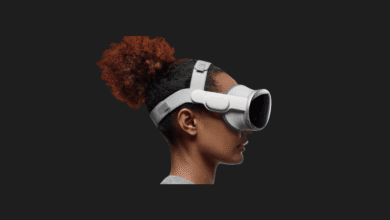
Why Apple Vision Pro Lost Its Magic: The Anatomy of a Mixed Reality Misstep



I remember the exact moment Apple dropped their classic “One More Thing” bomb and introduced the Vision Pro to the world. As someone who spends almost every waking hour exploring the frontiers of the metaverse, spatial computing, and future technologies, I was practically vibrating with excitement. I genuinely thought, “This is it. This is the iPhone moment for mixed reality.”
But fast forward to today, and the atmosphere has drastically cooled down. I’ve been digging through the latest supply chain reports and industry whispers, and the reality is stark: Apple is quietly backing away from the spatial computing revolution it promised to lead. According to recent insights from MacRumors, there is no immediate plan for a next-generation headset, and the tech giant is actively reallocating its engineering resources to more traditional, safer bets.
Unlike the phenomenal, culture-shifting success of the Apple Watch or AirPods, the Vision Pro has struggled to find its footing. It didn’t ignite that sustained, fiery passion among users. So, what exactly went wrong? Why did a device engineered to look like tomorrow fail so hard today? Let’s break it down together.
The Harsh Reality of the Numbers
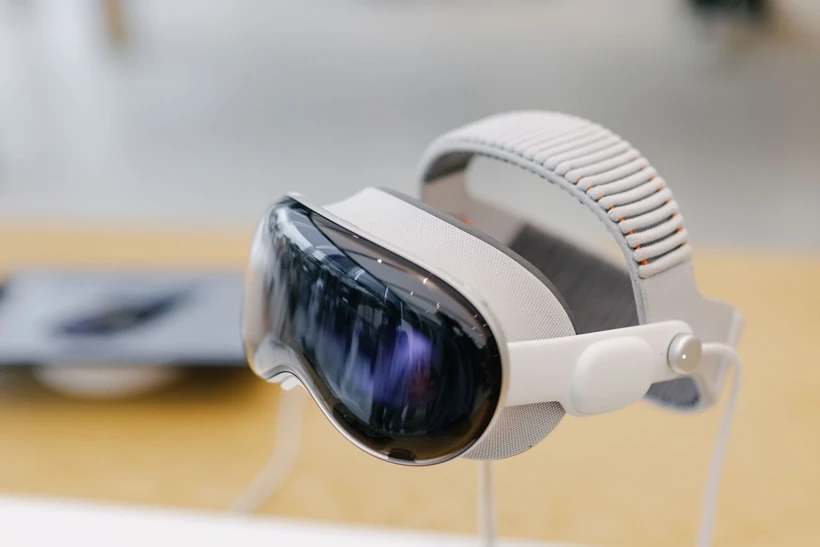
When we talk about Apple, we are usually talking about millions—tens of millions—of units shipped in a single quarter. The Vision Pro, however, has barely scraped the 600,000 units sold mark globally.
Now, I want to be fair here. I’ve seen the incredible videos of surgeons using the Vision Pro in operating rooms, manipulating 3D models of human anatomy in mid-air. It is mind-blowing. But a technology cannot survive solely on ultra-niche enterprise use cases when it was heavily marketed to consumers. Despite having an arguably flawless user interface and the premium build quality we expect from Apple, those 600,000 units tell a painful story: the general public just didn’t care enough to buy in.
The $3,499 Elephant in the Room
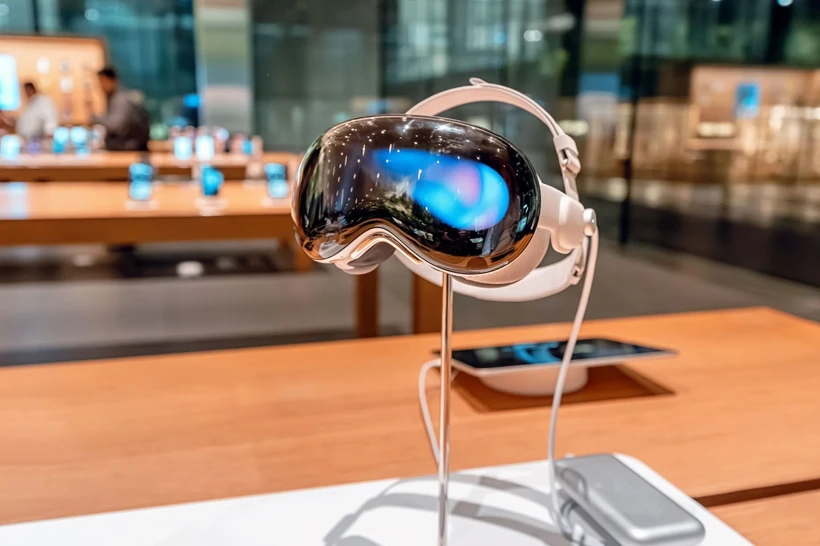
Let’s not beat around the bush. The biggest and most obvious wall between the Vision Pro and mainstream adoption is that staggering $3,499 base price.

- The Psychological Barrier: Even as a hardcore tech enthusiast, dropping that kind of money on a first-generation product is a massive pill to swallow. For the average consumer, it is an insurmountable financial wall.
- The ROI Problem: Tim Cook openly admitted that this device isn’t for the mass market yet. But here is the catch-22: if you price out the mass market, you price out the developers. Why would a developer spend thousands of hours building an app for an ecosystem that barely has half a million users?
To me, this felt less like buying a consumer product and more like paying Apple for the privilege of being a beta tester.
A Software Ghost Town
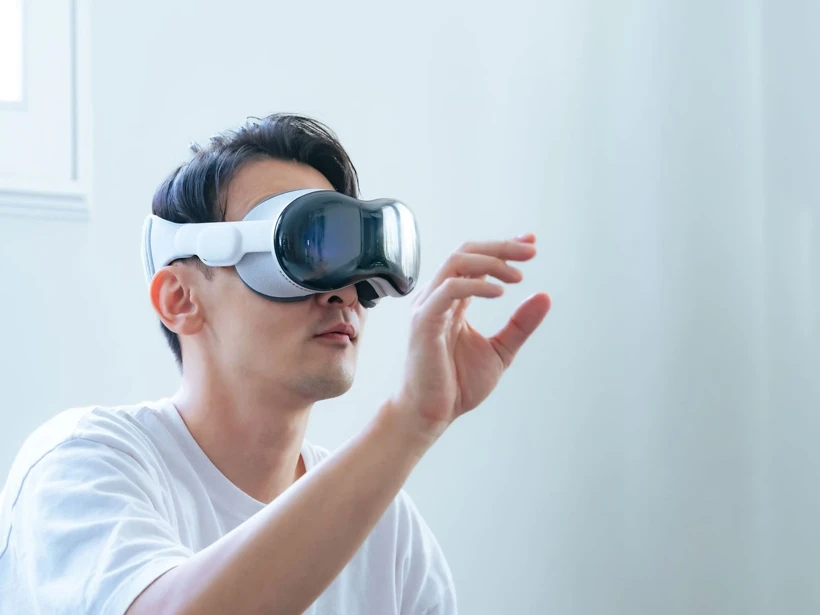
This brings me to what I consider the most fatal flaw of the Vision Pro: the lack of killer apps.
When I buy a new device, I expect to bring my digital life with me. But the Vision Pro launched without native support from some of the biggest players on the internet. Netflix and Spotify completely ignored it.
What happened next was a brutal, self-fulfilling prophecy:
- Users complained there were no apps.
- Developers refused to build apps because there were no users.
- Even Apple dragged its feet on releasing native spatial versions of its own core applications.
Without a vibrant, dynamic software ecosystem, the Vision Pro quickly devolved from a portal to the future into a very expensive novelty.
The Ergonomic Nightmare: Heavy, Hot, and Tethered
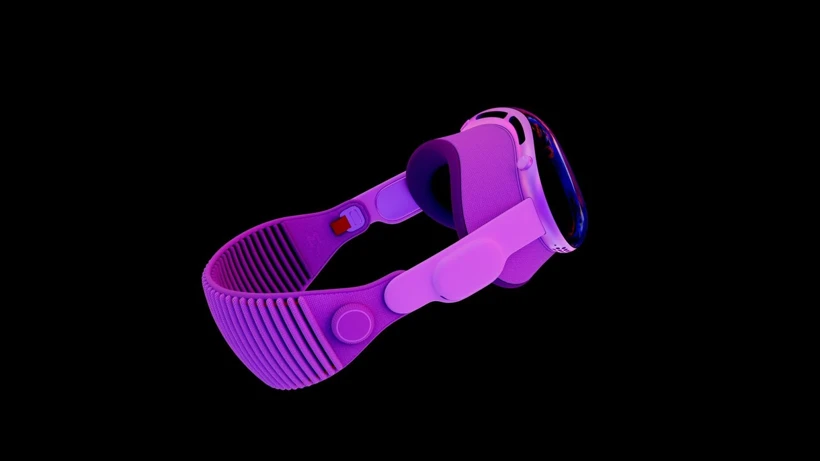
Apple is famous for its sleek, wireless, and seamless designs. So, when they revealed that the Vision Pro required a tethered, external battery pack that you have to shove into your pocket, I was honestly shocked.
- The Weight Issue: Countless users have reported that the device is simply too heavy for prolonged use. The front-heavy design puts immense pressure on the cheekbones and forehead.
- The Battery Limit: You only get about 2 to 3 hours of battery life. You can’t even finish a long sci-fi movie (like Interstellar or Blade Runner 2049) without scrambling for a charger.
- The Accessory Tax: To actually make the headset comfortable, users were forced to buy third-party head straps and modifications, adding even more cost and clunkiness to a device that was supposed to be elegant.
Global Lockouts and the “Expensive Brick” Fear
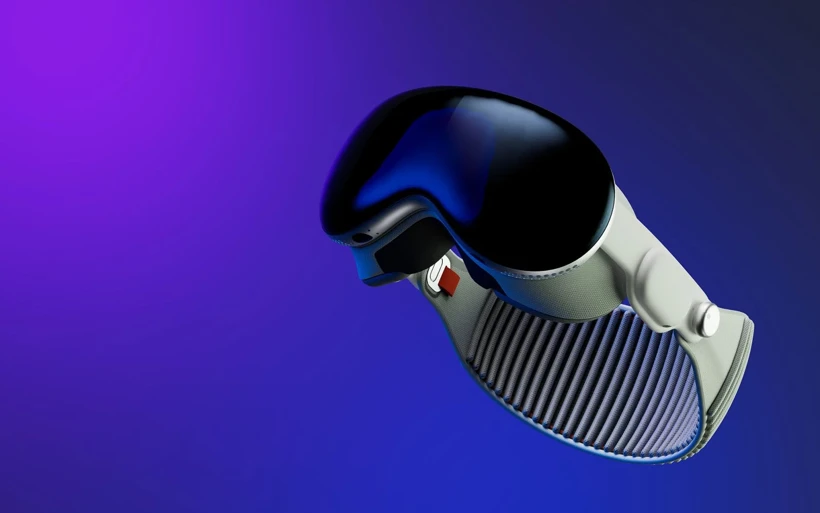
Apple also severely limited the global rollout of the Vision Pro. For months, it was restricted to a handful of markets.
If you were an early adopter outside the US who managed to import one, you faced an absolute nightmare. You had to juggle foreign Apple ID accounts just to download basic apps. Worse still, there was zero local technical support. If a pixel died or the front glass cracked, you were left holding a $3,500 technological brick. This geo-restriction killed the global momentum right out of the gate.
Siri’s Struggles in a Spatial World
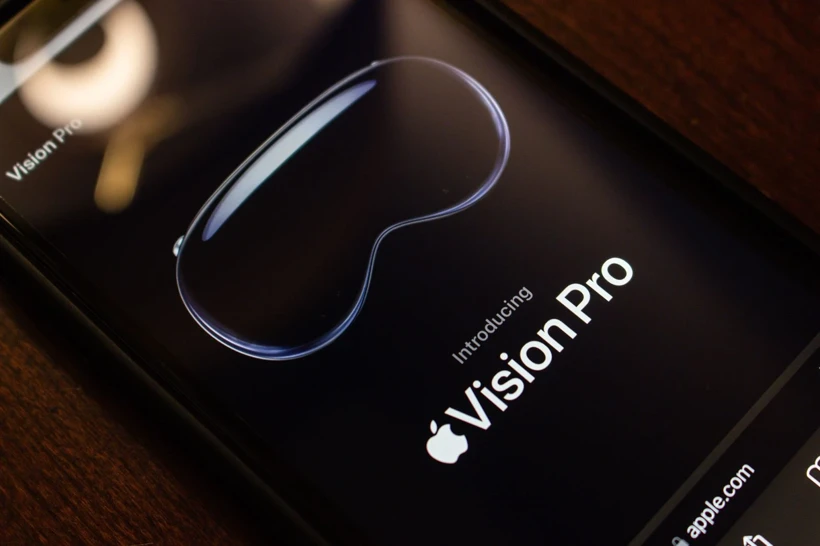
Finally, in a device that completely reimagines how we interact with computers using our eyes and hands, the voice assistant needs to be flawless. Unfortunately, Siri felt incredibly outdated inside the Vision Pro.
Struggling with basic commands and failing to understand complex spatial contexts ruined the immersive illusion. While there are rumors of massive AI and Apple Intelligence updates coming down the pipeline, the industry consensus is that Apple has already shifted its primary focus back to the iPhone to fight the AI wars against Google and OpenAI.
The End of an Era, or Just a Pause?
I don’t think spatial computing is dead, nor do I think the metaverse is a failed concept. I just think the Vision Pro was the wrong approach at the wrong time. It was an over-engineered, over-priced marvel that forgot the golden rule of consumer tech: it has to seamlessly improve our daily lives.
Apple tried to give us the future today, but they forgot to build the bridge to get us there.
Now, I’m turning this over to you. If Apple were to release a “Vision Non-Pro” tomorrow for $1,000 but it was made of plastic and lacked the front-facing screen, would you buy it? Or do you think VR/AR headsets are just destined to remain a niche? Let’s hash it out in the comments below!
You Might Also Like;